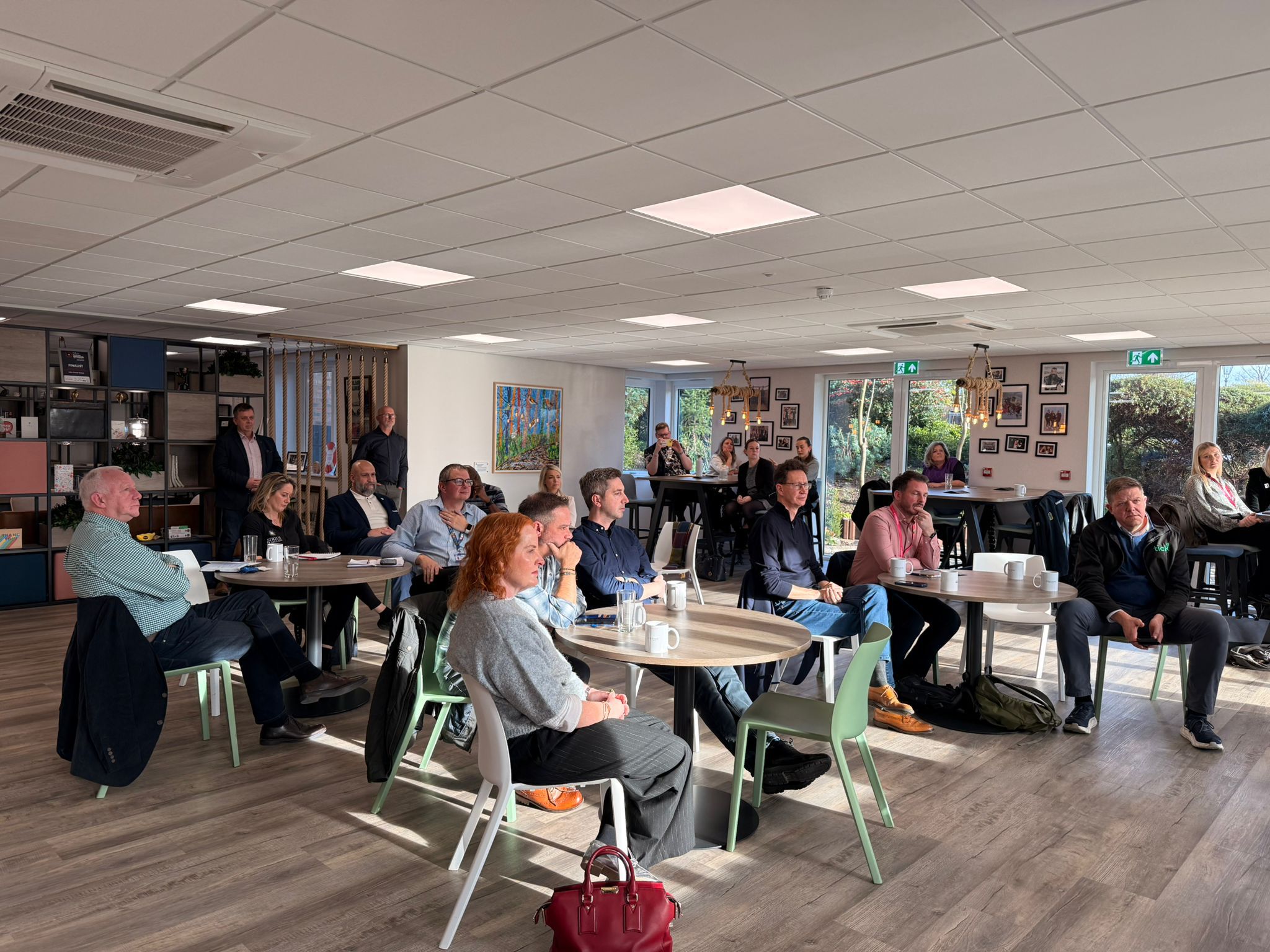
On 19th November, Investors in Community (IIC) brought together some of Hull’s most committed businesses, charities and community leaders for an afternoon focused on one thing: turning good intentions into something real.
Hosted at the John Good Group HQ in Hessle, Profit Meets Purpose gave charities the space to talk openly about what help they need, gave businesses the chance to share what meaningful partnership looks like from their side and brought everyone into the same conversation (something that rarely happens in one room).
Where honest conversations sparked real collaboration
It was candid, energetic and refreshingly purposeful, with every speaker and attendee focused on practical action
Charities admitted where they feel stuck.
Businesses shared what they actually needed to know in order to help.
And everyone left with ideas they could act on.
One point kept coming up: Charities often don’t know how businesses want to be approached and businesses aren’t always sure what charities genuinely need.
Emily Blake, IIC’s Charity Relationships Coordinator, said it best:
“It was powerful seeing businesses and charities speaking honestly with each other, breaking down the fear of asking, the confusion around impact reporting and the pressure charities feel to ‘get it right’. These conversations don’t normally happen in one room.”
What businesses said matters most
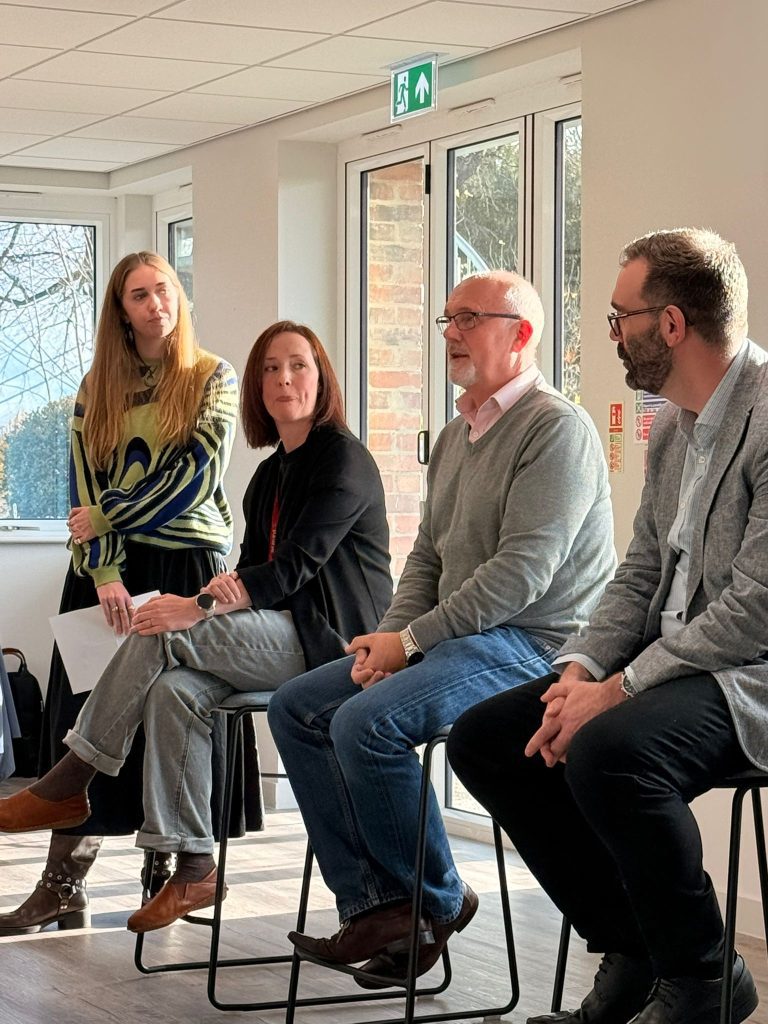
Adam Walsh (John Good Group), Mark Burley (Keepmoat) and Laura Porter (Connexin) were clear:
Passion is important, but proof is what moves partnerships forward.
Matthew Wright (RSPCA Hull & East Riding Branch) summed it up:
“Businesses want to support charities, they just often struggle to find the right partner.
Platforms like IIC will absolutely bridge that gap and capture the real outcomes.”
Businesses want to know:
- What’s the need?
- What’s the impact?
- How do we prove it?
Clear stories and measurable outcomes make all the difference.
What charities said they need help with
Many charities shared that it’s not willingness holding them back, it’s time, confidence and capacity.
Kirsty Clark (Matthew Good Foundation) highlighted that lots of small charities simply don’t know how to present their impact in a way that supports a business’s ESG or procurement needs.
That gap exists, but it’s one we can close with support, better tools and open conversations like these.
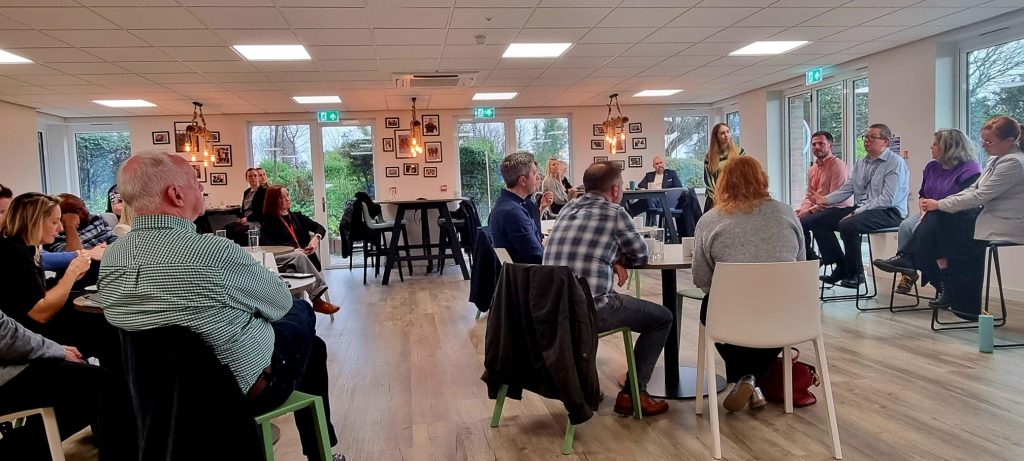
Why offering different ways to give matters
Charities spoke about how important it is to offer more than one route for businesses to help, whether that’s:
- sponsoring assets (such as kennels at the RSPCA)
- running community cafés
- offering staff skills
- donating time or goods
When charities diversify how people can support them, more doors open and more pressure is lifted.
Emily put it perfectly:
“This event created a room of people who all want to do good and want to act quickly.
The connections made here will go far beyond today.”
What attendees said
The feedback says everything:
“Probably the single best event I have ever attended for meeting change makers.”
Asa Hancock, HET
“Impact and commercial performance are now completely intertwined.”
Jonathan Wragg (Ltt Group Ltd)
“A great event with great people. I came away with things to put into action.”
Chris Salt, Candlelighters Trust
“It was inspiring and exciting to see connections developing.”
Gill Emerton, Matthew’s Hub
“I learned a lot… so interesting hearing from the two panels from both sides of the same coin.”
Chloe Eliska Lawford, Sirius Homecare
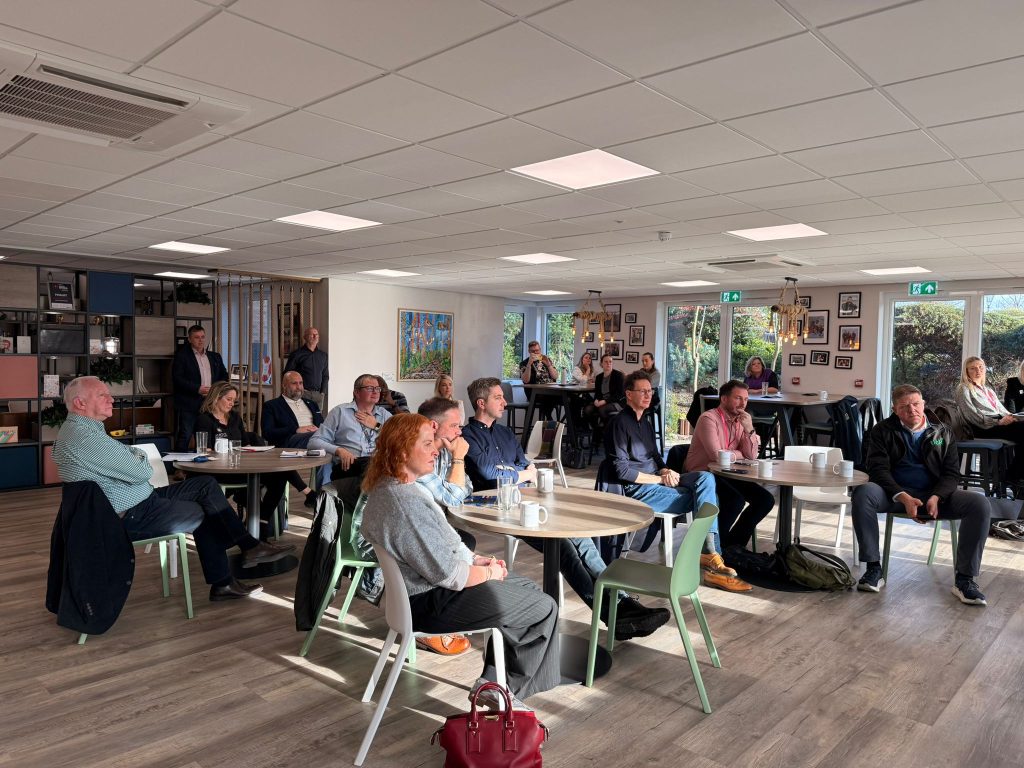
What happens next
This is only the beginning.
Hull now has a growing network of businesses and charities ready to collaborate, share knowledge and build stronger social value together, backed by IIC’s platform to track, verify and report the impact.
For businesses, this is a practical route to stronger ESG performance, better engagement and clearer reporting.
For charities, it means new partners, new opportunities and more confidence sharing the impact they create.
And for Hull, it marks the start of a more connected, more resilient local community.
Philip Webb, IIC CEO, summed up the feeling in the room:
“Events like this show what can happen when local businesses and charities collaborate with purpose. Measurable social value isn’t just good for communities, it’s good for business, culture and long-term sustainability.”
If you’d like to collaborate with IIC to run something similar in your area, or want to join the next Hull event, follow Investors in Community or get in touch.